
Imagine opening your shop on a Monday morning, only to find the doors locked and no way to reach customers. That's exactly what happens when a small business website goes down without warning. Downtime costs can hit hard and fast, and for many owners, the damage extends well beyond lost sales. Too many small businesses treat website maintenance as optional, something to deal with "when there's time." The reality is that a neglected website is a liability, not an asset. This article breaks down the real benefits of keeping your site in top shape and why proactive maintenance is one of the smartest business decisions you can make.
Why Website Maintenance Matters
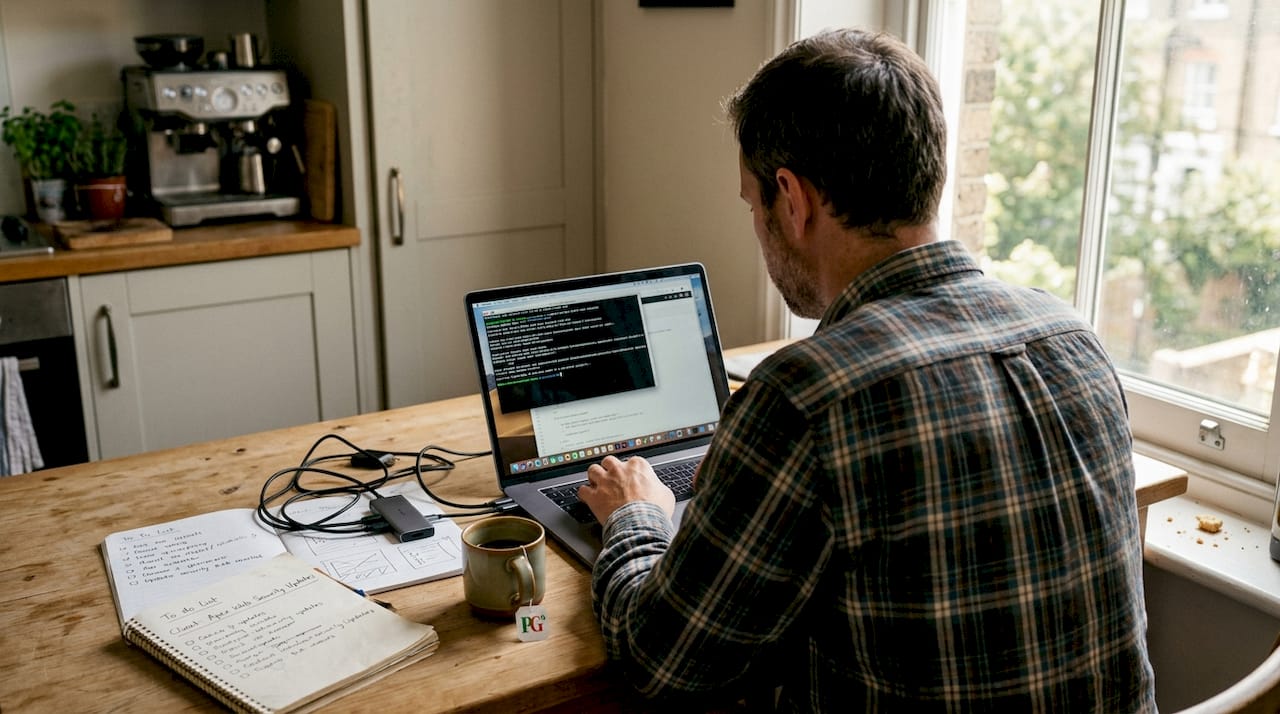
At its core, website maintenance means regularly updating, monitoring, and backing up your site to keep it running safely and efficiently. It is not a one-time setup task. It is an ongoing responsibility that directly affects how your business performs online.
Most small business websites run on platforms like WordPress, which rely on themes, plugins, and core software that need regular updates. When those updates are skipped, vulnerabilities build up. Hackers actively scan for outdated software, and an unpatched plugin can become the entry point for a serious breach.
Here is what regular maintenance typically includes:
- Security updates: Applying the latest patches to your content management system, themes, and plugins
- Performance monitoring: Checking load times, broken links, and server uptime
- Data backups: Storing recent copies of your site so recovery is fast if something goes wrong
- Content reviews: Ensuring that pages, hours, and contact information stay accurate
"Proper website maintenance keeps small businesses protected from security vulnerabilities, reduces the risk of downtime, and eliminates many of the expensive emergencies that arise from outdated software and poor monitoring."
Pro Tip: Use your hosting platform's built-in tools or a plugin like ManageWP to automate core and plugin updates. Pair this with weekly automated backups so you always have a clean restore point if something breaks.
Top Benefits of Regular Website Maintenance
Regular upkeep does more than prevent disasters. It actively builds business value month over month.
- Enhanced security: Outdated software is the number one cause of hacked websites. Keeping everything updated dramatically reduces your exposure to cyber threats that can compromise customer data.
- Reliable uptime: A well-maintained site experiences fewer outages. Every minute of downtime is a minute a potential customer cannot reach you.
- Faster load speeds: Performance optimization, including image compression and caching, keeps your pages loading quickly. Slow sites frustrate visitors and push them straight to a competitor.
- Better search rankings: Search engines like Google factor in site speed, security (HTTPS), and uptime when ranking pages. A maintained site earns better visibility in search results.
- Stronger brand credibility: A site with broken links, outdated content, or error pages sends a clear signal to visitors: this business does not pay attention to detail. Regular maintenance prevents these trust-killing issues.
- Lower emergency costs: Fixing a hacked or crashed website after the fact costs far more in time, money, and stress than preventing the problem in the first place.
| Benefit | Real-world impact |
|---|---|
| Security updates | Up to 50% reduction in breach risk |
| Speed optimization | A 1-second delay can reduce conversions by 7% |
| Regular uptime monitoring | Faster issue detection, fewer total hours offline |
| SEO improvements | Better rankings lead to more organic traffic |
| Brand trust | Consistent experience keeps visitors engaged longer |
| Preventive care | Avoids emergency repair costs that average $1,000+ |
Proactive vs. Reactive Maintenance: Which Is Best?
Most small business owners fall into one of two camps: those who maintain their site regularly, and those who fix it only when something breaks. These approaches have very different outcomes.
Proactive maintenance means scheduling routine updates, reviews, and checkups before problems appear. Reactive maintenance means waiting until a crisis forces action — like a site going down, being hacked, or loading so slowly that customers leave.
| Factor | Proactive maintenance | Reactive maintenance |
|---|---|---|
| Cost | Predictable monthly expense | High, unpredictable emergency bills |
| Downtime risk | Low, caught early | High, often extended outages |
| Security | Strong, current patches applied | Vulnerable, exploits may go undetected |
| SEO impact | Positive, consistent performance | Negative, outages hurt rankings |
| Stress level | Manageable and planned | High, often urgent and chaotic |
| Customer trust | Maintained consistently | Damaged during visible failures |
The financial case for proactive maintenance is clear. Emergency website repairs — recovering from a hack, rebuilding after a crash, or debugging a broken update — routinely cost hundreds to thousands of dollars and take days to resolve. Ongoing maintenance costs a fraction of that and prevents the problem from occurring at all.
For businesses that generate leads and sales through their website, an extended outage during a busy period can mean losing clients permanently to competitors who were easier to reach.
Signs You Need Immediate Website Maintenance
Some warning signs indicate your site needs attention right now, not next month:
- Slow page loads: If your site takes more than three seconds to load on mobile, you are losing visitors before they see your content
- Security warnings in browsers: If Chrome or Safari displays a "Not Secure" warning, visitors will leave immediately
- Broken links and 404 errors: Pages that return errors damage user experience and hurt search rankings
- Outdated content: Old pricing, discontinued services, or inactive phone numbers erode trust and create confusion
- No recent backups: If you can't answer when your site was last backed up, you are operating without a safety net
- Plugin or theme conflicts: Visual glitches, broken layouts, or missing functionality often indicate software conflicts that need resolution
- Spam comments or suspicious redirects: These are signs your site may already be compromised
If your site shows more than one of these signs, the cost of waiting grows with each passing day. Search engines penalize slow, insecure, or error-prone sites. Each day without maintenance is a day your competitors gain ground.
Why Most Small Businesses Overlook Website Maintenance
The most common reason small businesses skip maintenance is simple: it doesn't feel urgent until something breaks. Unlike a burst pipe or a broken piece of equipment, a slowly degrading website doesn't announce itself. It just quietly performs worse over time — fewer visitors, lower rankings, less trust — until a visible failure makes the neglect undeniable.
The second reason is time. Most small business owners are already stretched thin running their core operations. Website maintenance falls into the category of "important but not urgent" tasks that never make it to the top of the list.
The third reason is uncertainty. Many owners are not sure what maintenance actually involves, which makes it easy to assume their hosting provider is handling it, or that nothing needs to be done because the site "looks fine."
All three of these reasons are understandable. None of them change the outcome of a site that goes unmanaged.
The practical solution for most small businesses is to either:
- Build a simple maintenance routine — monthly plugin and CMS updates, weekly backups, quarterly content reviews, and a performance check using a free tool like Google PageSpeed Insights
- Outsource maintenance to a managed service — so it's handled consistently without requiring your time or technical knowledge
Both approaches work. The key is choosing one and committing to it before a problem forces the decision.
Stress-Free Website Maintenance with Vegas Solutions
At Vegas Solutions, every managed website includes ongoing maintenance as a core part of the service — not an add-on. We handle security updates, performance monitoring, backups, content updates, and uptime checks so your site stays in top shape without requiring your attention.
For small business owners who want a professional website that works reliably over time without becoming a second job, that's exactly what a managed service is designed to deliver.
If you're not sure whether your current site is being properly maintained, request a free website demo and we'll show you what a professionally maintained small business website looks like — and what's typically missing from sites that haven't had consistent upkeep.