
7 Essential Types of Small Business Websites Explained

Finding the right website type for your small business can feel overwhelming with so many digital options available. You want a solution that makes it easy for potential customers to connect, understand your services, and feel confident working with you. The challenge is knowing which site format will truly support your business goals whether it's booking appointments, showcasing your work, or selling products.
The good news is that each kind of website has specific benefits designed for different professional needs. You will discover practical examples that show how to attract more inquiries, simplify bookings, and present your services or products effectively. Expect clear guidance and actionable ideas that make choosing and building the right website much easier for your business.
Get ready to uncover the smart strategies that successful small businesses use worldwide. The following insights offer real, research-backed approaches that help you connect with your customers and grow your business online.
1. Service-Based Websites for Booking and Inquiries
Service-based websites are the digital gateway for small businesses to connect with potential customers, streamline appointment scheduling, and manage client interactions efficiently. These websites transform how professionals like consultants, healthcare providers, beauty specialists, and local service providers interact with their audience.
Modern service websites focus on creating seamless booking experiences that reduce friction for customers. By implementing user-friendly online booking dynamics, businesses can significantly improve their conversion rates and customer satisfaction. The key is designing an intuitive interface that makes scheduling quick and straightforward.
Successful service-based websites typically include several critical components: clear service descriptions, transparent pricing, easy-to-use booking calendars, and multiple contact options. Customers appreciate websites that show real-time availability, allow instant online bookings, and provide immediate confirmation of their appointments.
The research indicates that moderate booking availability can actually increase customer confidence. When potential clients see a reasonable number of open time slots, they perceive the service as both accessible and in-demand. This psychological factor can subtly encourage more bookings by suggesting the business is popular yet not overwhelmingly busy.
Implementing an effective booking system requires understanding consumer technology preferences. Small businesses should prioritize mobile-responsive designs, as many customers now book services directly from smartphones. Integration of features like automatic email confirmations, reminder notifications, and simple reschedule options can dramatically improve user experience.
2. Portfolio Sites to Showcase Your Work
Portfolio websites are powerful digital showcases that transform how small business professionals present their skills, achievements, and professional narrative to potential clients. These online platforms go beyond traditional resumes by offering visual storytelling and comprehensive insights into a professional's capabilities.
Creating an effective portfolio site requires strategic design and thoughtful content curation. Portfolio design principles emphasize the importance of clear visual storytelling that immediately captures visitor attention. The goal is to create a memorable digital representation of your professional identity that communicates expertise quickly and compellingly.
Successful portfolio websites typically include key components such as high quality work samples, clear descriptions of projects, professional background information, and intuitive navigation. Visual presentation matters significantly users often make decisions about your professional competence within seconds of landing on your site.
Small business professionals should focus on showcasing their most impactful work. This means selecting projects that demonstrate technical skill, creativity, problem solving abilities, and tangible results. Each portfolio piece should tell a story explaining the challenge addressed, your specific contribution, and the ultimate outcome.
Modern portfolio sites prioritize user experience. This means creating mobile responsive designs, using clean and professional layouts, and ensuring fast loading times. Your website should function seamlessly across different devices and provide visitors with an effortless way to review your professional capabilities.
3. E-Commerce Sites for Selling Products Online
E-commerce websites have transformed how small businesses reach customers, sell products, and manage online transactions. These digital storefronts provide entrepreneurs with powerful platforms to expand their market reach beyond traditional physical locations.
E-commerce business models continue to evolve, offering small businesses unprecedented opportunities to compete in global markets. The key is creating a user friendly website that simplifies the purchasing process and builds customer trust.
Successful e-commerce sites require several critical components. Product presentation matters tremendously users make purchasing decisions based on clear images, detailed descriptions, and transparent pricing. Your online store should provide comprehensive information that answers potential customer questions before they even ask.
Technology plays a crucial role in modern e-commerce. Small businesses should prioritize mobile responsive designs, secure payment gateways, and intuitive navigation. Features like product filters, customer reviews, and easy checkout processes can significantly improve conversion rates.
Understanding legal and technical requirements is essential. This includes implementing secure transaction systems, protecting customer data, and complying with online sales regulations. Small business owners must also consider shipping options, return policies, and customer support mechanisms that build confidence in their online store.
4. Informational Brochure Sites for Local Presence
Informational brochure websites serve as digital business cards for small local businesses, providing essential information about services, expertise, and contact details in a concise and accessible format. These streamlined websites offer an efficient way to establish online credibility without overwhelming potential customers.
Brochure website templates demonstrate that effective digital brochures typically range from one to five pages, focusing on clarity and essential business information. The goal is to communicate your business value proposition quickly and professionally.
Key components of a successful informational brochure site include a clear homepage that immediately explains what your business does, an about page that tells your story, service or product descriptions, and straightforward contact information. Visual simplicity matters significantly potential customers should understand your offering within seconds of landing on your site.
Local businesses can leverage these websites to showcase their unique value, highlight customer testimonials, and provide essential details like service areas, business hours, and contact methods. The design should reflect your brand personality while maintaining a clean, easy to navigate interface that works seamlessly across mobile and desktop devices.
Small businesses should prioritize mobile responsiveness, fast loading times, and clear calls to action. Your informational brochure site is often the first impression potential customers will have of your business, so every element should be carefully considered to build trust and encourage engagement.
5. Personal Brand Sites for Self-Employed Pros
Personal brand websites are powerful digital platforms that transform how self-employed professionals showcase their unique skills, expertise, and professional identity. These websites serve as comprehensive digital portfolios that go far beyond traditional resumes.
Personal brand equity research demonstrates the critical importance of creating a cohesive online presence that communicates your professional value. Successful personal brand sites strategically highlight your professional narrative, expertise, and distinctive capabilities.
Effective personal brand websites typically include key components such as a compelling professional biography, detailed service offerings, client testimonials, case studies, and a clear representation of your professional journey. Visual storytelling matters significantly potential clients and collaborators form impressions within seconds of landing on your site.
Self-employed professionals should focus on creating authentic content that reflects their professional personality. This means developing a consistent tone, showcasing your unique approach to solving client problems, and demonstrating thought leadership through blog posts, project highlights, or professional insights that set you apart from competitors.
Modern personal brand sites prioritize user experience and professional presentation. This requires mobile responsive design, clean and intuitive navigation, high quality professional photography, and content that speaks directly to your ideal client or professional audience. Your website should function as a dynamic representation of your professional brand.
6. Membership and Subscription Sites Made Easy
Membership and subscription websites offer small businesses powerful tools to create recurring revenue streams, build loyal communities, and provide exclusive content or services to dedicated customers. These digital platforms transform how businesses engage and monetize their audience.
Subscription service research reveals that successful membership sites focus on delivering consistent value, creating unique user experiences, and establishing clear access tiers for different customer segments.
Effective membership websites require several critical components. Content strategy matters tremendously subscribers expect high quality, regularly updated content that justifies their ongoing financial commitment. Your site should offer a mix of exclusive resources, interactive elements, and personalized experiences that keep members engaged and eager to maintain their subscription.
Small businesses can design membership sites across various models: tiered access plans, community forums, online courses, digital product libraries, or exclusive coaching programs. The key is creating a compelling value proposition that makes members feel they are receiving something genuinely unique and valuable.
Technology plays a crucial role in membership site success. You need robust systems for user authentication, secure payment processing, content gating, and seamless user experience across different devices. Integration of communication tools, progress tracking, and personalization features can significantly enhance member retention and satisfaction.
7. Blog-Focused Sites for Sharing Knowledge
Blog-focused websites represent powerful platforms for small businesses to establish thought leadership, share expertise, and build meaningful connections with their target audience. These digital spaces transform traditional marketing approaches by providing valuable content that educates, engages, and attracts potential customers.
Knowledge sharing platforms demonstrate the critical role blogs play in establishing professional credibility and creating meaningful audience relationships. Successful blog sites go beyond simple promotional content, offering genuine insights that solve real problems for readers.
Effective blog-focused websites require a strategic approach to content creation. Consistent publishing matters significantly readers expect regular, high quality information that addresses their specific challenges and interests. Your blog should become a go-to resource in your professional niche, positioning you as an authoritative voice.
Small businesses can leverage blog sites to showcase expertise through various content types: how-to guides, industry analysis, case studies, expert interviews, and practical tutorials. The key is creating content that provides genuine value, answers common questions, and demonstrates your unique approach to solving client problems.
Technology and design play crucial roles in blog site success. Mobile responsive layouts, clean typography, easy navigation, and strategic use of images or multimedia can significantly enhance reader engagement. Consider integrating features like email subscriptions, comment sections, and social sharing options to expand your content's reach.
Build Your Perfect Small Business Website Without The Tech Hassle
Choosing the right website type is crucial for your small business success but managing the design, hosting, and maintenance can feel overwhelming. Whether you want a seamless booking system to increase customer confidence or a compelling portfolio to showcase your work Vegas Solutions understands your challenges. We handle everything so you can focus on growing your business without worrying about tech headaches. Our simple language and fast turnaround take the confusion out of building service-based websites, e-commerce sites, and much more.
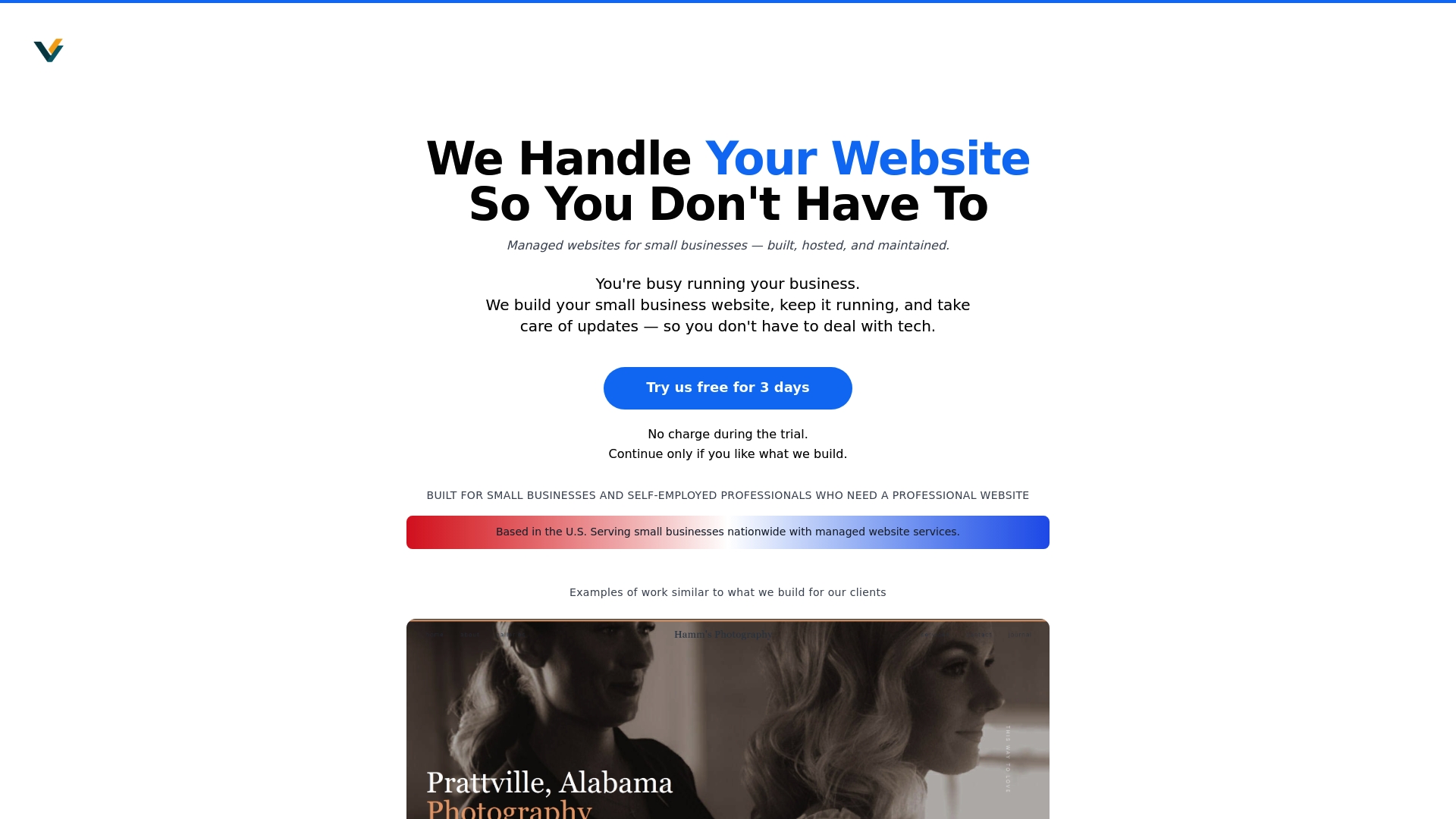
Ready to turn your website goals into reality with professional support that fits your pace Try our refundable $69 demo and experience hassle-free website management. Start now with Vegas Solutions and discover how easy it is to maintain a polished online presence. Explore how we can fully handle your service bookings online booking systems or create a stunning portfolio site designed for impact at Vegas Solutions. Don't wait let us help you build a website that works as hard as you do.