

Standing out online can feel overwhelming when every competitor seems polished and put together. Building a strong website brand matters because it shapes how clients see you and sparks the connections that lead to loyalty. This guide walks you through defining a distinct brand identity, selecting visual elements, crafting messaging, and keeping everything consistent so you attract more clients with less stress.
Table of Contents
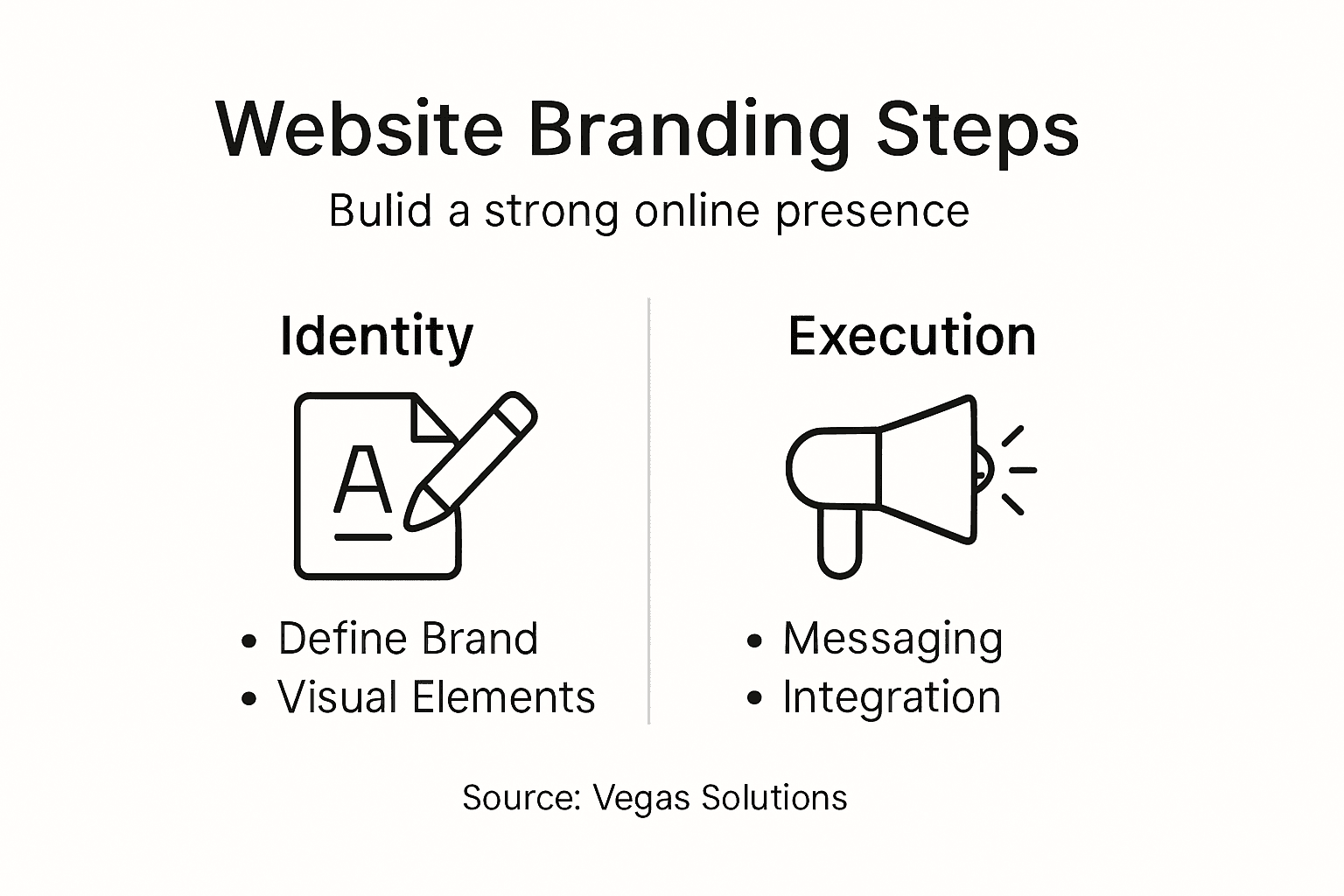
- Step 1: Define Your Unique Brand Identity
- Step 2: Select Visual Elements For Consistency
- Step 3: Craft Compelling Website Messaging
- Step 4: Integrate Branding Across Your Website
- Step 5: Verify Branding Effectiveness And Make Adjustments
Quick Summary
| Key Message | Explanation |
|---|---|
| 1. Define Your Brand Identity | Understand your core purpose, target audience, and values to differentiate your business effectively. |
| 2. Ensure Visual Consistency | Develop a cohesive visual language using a style guide for all materials to enhance brand recognition. |
| 3. Craft Compelling Website Messaging | Create authentic, clear content that addresses audience needs and drives engagement through a consistent brand voice. |
| 4. Integrate Branding Across the Website | Maintain a unified brand representation on every page to build trust and provide a professional digital experience. |
| 5. Regularly Assess Branding Effectiveness | Use data-driven insights to evaluate brand performance and refine strategies for continuous improvement and adaptation. |
Step 1: Define your unique brand identity
Defining your brand identity is about creating a clear, memorable representation of who you are and what makes your business special. This crucial step sets the foundation for how customers will perceive and connect with your brand.
To craft a compelling brand identity, start by understanding your core purpose and target audience. Brand identity expresses your core values through visual and messaging elements that distinguish you from competitors. Consider these key components:
- Company purpose: What problem do you solve?
- Target audience: Who specifically needs your services?
- Unique value proposition: What sets you apart?
- Brand personality: How do you want to be perceived?
Begin by documenting your brand's fundamental characteristics. Develop a clear brand story that communicates your mission, values, and what makes you unique. This narrative will guide everything from your logo design to your communication style.
Your brand identity is more than a logo - it's the emotional connection you create with your audience.
Research your competitors to ensure your brand stands out. Look for gaps in their messaging or service that you can uniquely fill. Create a visual brand guide that includes:
- Color palette
- Typography
- Logo variations
- Imagery style
- Tone of communication
Pro tip: Keep your brand identity consistent across all platforms to build trust and recognition.

Step 2: Select visual elements for consistency
Selecting consistent visual elements is crucial for building a recognizable and professional brand that resonates with your target audience. This step transforms your brand identity into a cohesive visual language that communicates your unique personality across all platforms.
Brand consistency requires uniform visual identity across your marketing materials. Focus on developing a comprehensive set of visual components that work together seamlessly:
- Color palette: Choose 3-5 complementary colors
- Typography: Select fonts that reflect your brand personality
- Logo variations: Create versions for different backgrounds and uses
- Imagery style: Define consistent photography or graphic design approach
- Design elements: Develop recurring graphic motifs or design patterns
Document these choices in a brand style guide that provides clear guidelines for anyone creating content for your brand. This ensures that whether someone is designing a social media post or a business card, the visual representation remains consistent.
Consistency isn't about being rigid - it's about creating a recognizable visual language that tells your brand's story.
Utilize Digital Asset Management systems to centralize and manage your brand assets. These tools help your team access the latest logos, color codes, and design templates, preventing accidental variations.
- Create a master brand style guide
- Store assets in a centralized digital system
- Train team members on brand guidelines
- Regularly review and update visual elements
Pro tip: Schedule quarterly brand consistency reviews to ensure your visual identity stays fresh and aligned with your evolving business goals.
Step 3: Craft compelling website messaging
Crafting compelling website messaging transforms your brand's online communication from generic content to a powerful connection with your target audience. Your words are your digital handshake - they need to be clear, authentic, and designed to resonate deeply with potential clients.
Effective website messaging starts with understanding audience emotions and creating a narrative that speaks directly to their needs. Your messaging should accomplish several critical objectives:
- Communicate your unique value proposition
- Address specific customer pain points
- Demonstrate your expertise
- Create an emotional connection
- Motivate visitors to take action
Focus on developing a consistent brand voice that reflects your company's personality. This means choosing language that feels authentic and aligns with your business values. Whether you're professional, friendly, technical, or conversational, maintain that tone across all website content.
Your website's messaging is not just about what you say, but how you make your audience feel.
Structure your content for maximum impact by using:
- Strong, clear headlines
- Concise, benefit-driven paragraphs
- Compelling calls-to-action
- Real-world examples and proof points
Pro tip: Read your website content out loud to ensure it sounds natural and conversational, not like a robotic sales pitch.
Step 4: Integrate branding across your website
Integrating your brand consistently across your entire website transforms a collection of pages into a powerful, cohesive digital experience. This step ensures that every visitor encounters a unified representation of your brand, reinforcing your identity and building trust with potential clients.
Website branding requires strategic visual communication that reflects your unique identity across all digital touchpoints. Your goal is to create a seamless experience that feels intentional and professional:
- Maintain consistent color schemes
- Use uniform typography
- Apply consistent imagery style
- Align design elements
- Ensure messaging reflects brand voice
Every page of your website should feel like a natural extension of your brand's personality. This means your visual language should be deliberate and thoughtful, creating a recognizable experience from homepage to contact page.
Branding is not just what you show, but how consistently you show it.
Implement your brand integration through these strategic steps:
- Audit current website design
- Create a comprehensive style guide
- Update design elements systematically
- Test across different devices and pages
- Gather feedback and refine
Pro tip: Create a digital brand asset folder with approved logos, color codes, and design templates to ensure team-wide consistency.
Step 5: Verify branding effectiveness and make adjustments
Verifying your branding effectiveness is about transforming assumptions into data-driven insights. This critical step helps you understand how your brand resonates with your target audience and identifies opportunities for strategic refinement.
Systematic assessment reveals brand performance through comprehensive evaluation techniques. Your goal is to gather meaningful feedback and metrics that provide a clear picture of your brand's impact:
- Analyze website visitor metrics
- Review customer engagement rates
- Collect direct customer feedback
- Compare against competitive benchmarks
- Track conversion performance
Measure your brand's effectiveness using both quantitative and qualitative methods. Quantitative data provides numerical insights, while qualitative feedback offers nuanced understanding of audience perceptions.
Compare quantitative vs. qualitative methods for measuring branding effectiveness:
| Evaluation Method | What It Measures | Example Metric |
|---|---|---|
| Quantitative Data | User actions and trends | Website traffic or conversion rate |
| Qualitative Feedback | Customer perceptions and opinions | Survey responses or testimonials |
Your brand is a living entity - it must evolve with your audience's changing needs.
Implement a structured assessment approach:
- Set clear performance benchmarks
- Use analytics tools for tracking
- Conduct periodic audience surveys
- Review feedback from multiple channels
- Make incremental, strategic adjustments
Pro tip: Schedule quarterly brand performance reviews to catch emerging trends and maintain your competitive edge.
Here's a summary of how each branding step impacts your business outcomes:
| Branding Step | Key Outcome | Business Benefit |
|---|---|---|
| Define Brand Identity | Unique market position | Attracts and retains ideal customers |
| Visual Consistency | Strong recognition | Builds credibility and trust |
| Compelling Messaging | Clear value communication | Drives higher engagement and conversions |
| Integrated Branding | Seamless digital experience | Increases brand loyalty |
| Regular Assessment | Data-driven refinement | Sustains competitive advantage |
Build a Strong Online Presence Without the Tech Headaches
The article highlights key challenges many small businesses and self-employed professionals face when defining their brand identity and maintaining visual consistency across a website. Achieving compelling website messaging and integrating branding effectively requires both strategy and technical expertise. If managing these branding steps feels overwhelming or time-consuming, you are not alone. Many struggle with building a cohesive, recognizable brand that truly connects with their audience while juggling daily business demands.
Vegas Solutions is here to simplify this process for you. We handle everything from building to hosting and ongoing website maintenance. That means your unique brand identity, consistent visuals, and clear messaging come alive seamlessly online without you needing to worry about the tech side. With one point of contact and support tailored to your needs, you can focus on growing your business while we ensure your website branding reflects your vision perfectly.
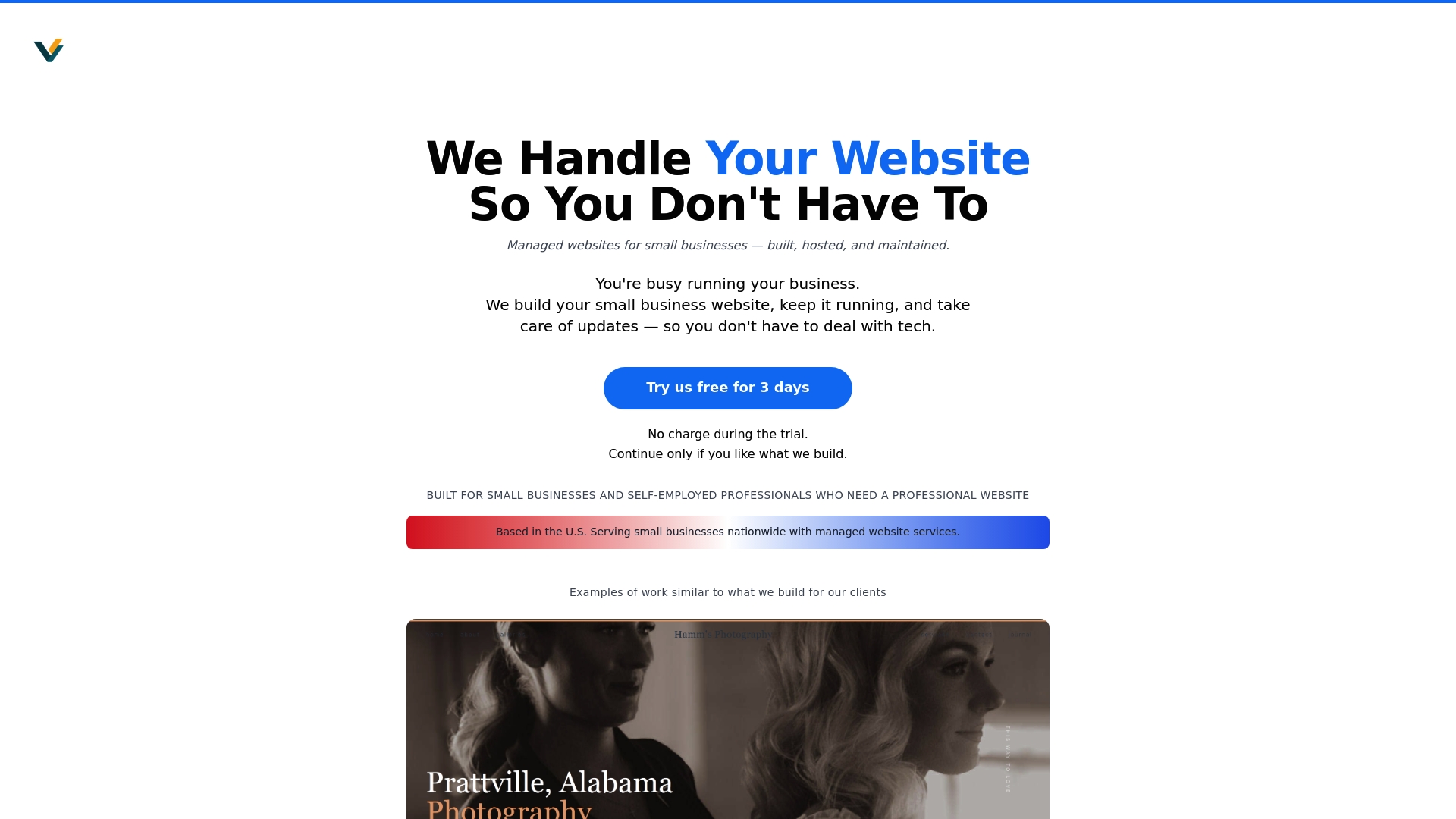
Ready to stop stressing about website branding and start making a powerful impression online? Visit Vegas Solutions today to try our fully managed service free for 3 days. Discover how easy it is to have a professionally branded website with fast turnaround and ongoing support. Take the first step toward a strong online presence now and see why so many small businesses trust us to keep their brand consistent and effective. Learn more at Vegas Solutions.