Why Update Website Regularly: Boosting Business Outcomes

A website can easily become outdated without you even noticing. For many American small business owners, there is a belief that once a website goes live, it can be left alone. In reality, website updates are much more than extra polish—they are vital for trust and relevance. This article clarifies misconceptions and explains how consistent improvements help keep your digital presence fresh, secure, and valuable to customers.
Website Updates: Definition and Misconceptions
Website updates represent strategic modifications to digital content, functionality, and design that help businesses maintain online relevance and effectiveness. Despite common misconceptions, these updates are not optional extras but fundamental components of digital presence management.
Many small business owners harbor misunderstandings about what website updates entail. These updates go far beyond simple text changes and encompass multiple critical dimensions:
- Content refreshment: Adding new information, blog posts, or product details
- Security patches: Implementing latest protection against digital threats
- Performance optimization: Improving website speed and user experience
- Design refinements: Adjusting visual elements to match current trends
- Functionality enhancements: Adding or improving interactive features
Misconceptions about website updates can significantly harm a business's digital strategy. Some entrepreneurs believe that once a website is launched, it requires minimal attention. This static approach is dangerously outdated.
The digital landscape evolves rapidly, and websites that remain unchanged risk becoming obsolete. Search engines like Google prioritize frequently updated websites, meaning static sites can experience diminished visibility and reduced search rankings. Modern consumers expect current, relevant information that reflects a business's current capabilities and offerings.
Major Types of Website Updates Explained
Website updates encompass a diverse range of strategic modifications designed to enhance digital performance, user experience, and business effectiveness.
Business websites typically require several distinct types of updates, each serving unique strategic purposes:
-
Content Updates
- Adding new blog posts
- Refreshing product descriptions
- Updating service offerings
- Publishing recent case studies or testimonials
-
Technical Updates
- Security patches and vulnerability fixes
- Performance optimization
- Mobile responsiveness improvements
- Compatibility with latest web browsers
-
Design Updates
- Visual layout refinements
- Color scheme modernization
- Typography adjustments
- User interface streamlining
Technical infrastructure represents a critical dimension of website updates. Modern websites must continuously adapt to evolving digital standards, ensuring seamless functionality across multiple devices and platforms.
Search engines and potential customers reward websites that demonstrate active management and current, relevant content. Regular updates signal to both algorithmic systems and human visitors that a business is dynamic, engaged, and committed to providing current information. Stagnant websites quickly lose credibility and search ranking potential.
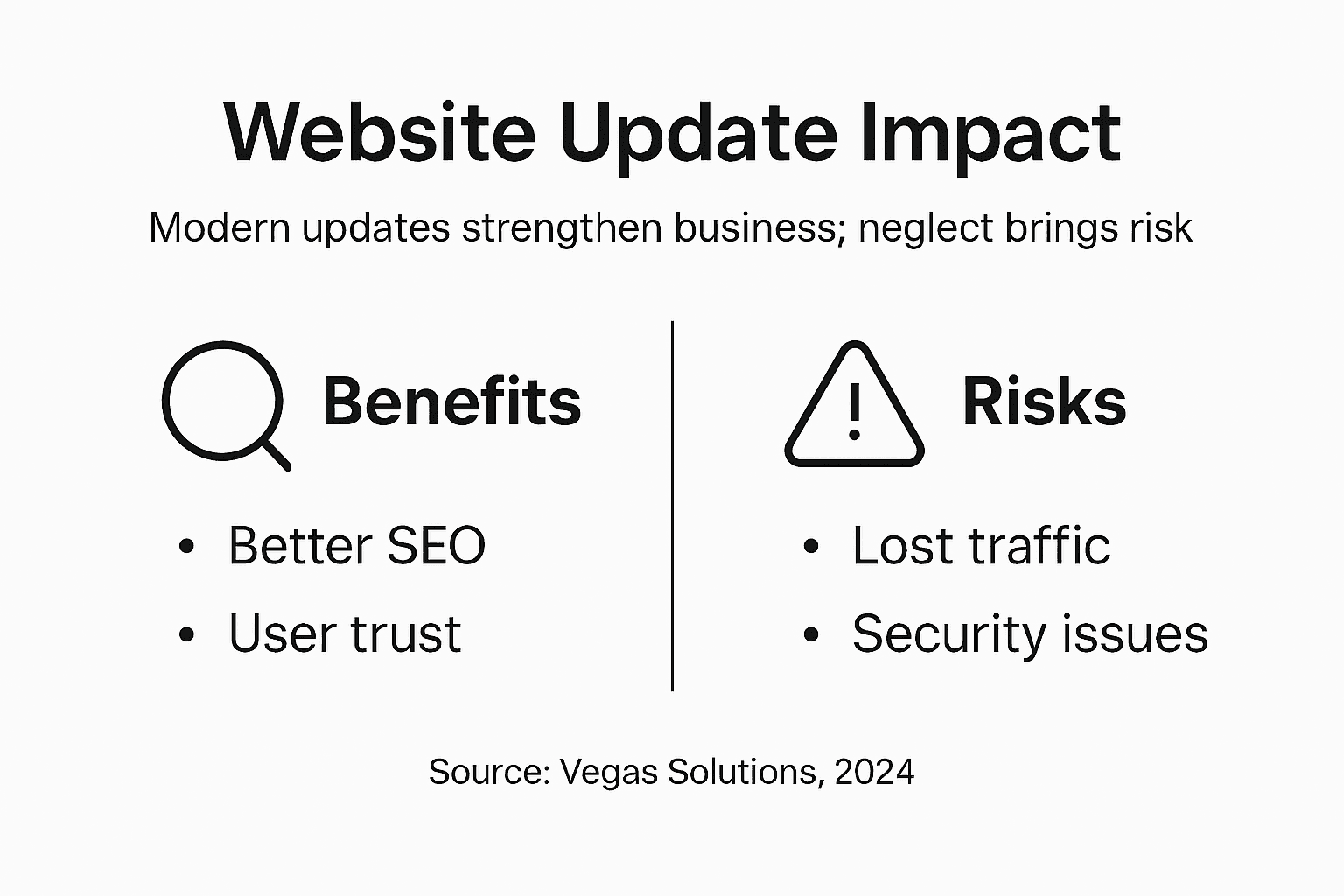
Here's how different types of website updates impact business performance:
| Update Type | Business Benefit | Risk If Neglected |
|---|---|---|
| Content Updates | Higher engagement, better SEO | Falling search rankings, outdated info |
| Technical Updates | Better security, improved speed | Increased hacks, poor site performance |
| Design Updates | Enhanced brand appeal | Outdated look, lost credibility |
| User Experience Updates | More conversions, loyal visitors | High bounce rates, lost sales |
How Regular Updates Improve SEO and Trust
Regular website updates are a powerful strategy for building digital credibility and improving search engine performance. Search engines like Google continuously evaluate websites based on multiple dynamic factors, with content freshness emerging as a critical ranking signal.
The SEO benefits of consistent website updates include several key advantages:
-
Improved Search Rankings
- More frequent indexing by search engines
- Higher visibility in search results
- Increased organic traffic potential
- Signals active website management
-
User Trust Indicators
- Demonstrates business relevance
- Shows commitment to current information
- Reflects professional attention to detail
- Builds long-term credibility with visitors
-
Technical SEO Enhancements
- Faster page load speeds
- Mobile responsiveness improvements
- Enhanced security configurations
- Better user experience metrics
Content evolution plays a crucial role in maintaining digital trust. Websites that appear stagnant or outdated quickly lose credibility with both human visitors and algorithmic ranking systems. Modern consumers expect real-time, accurate information that reflects a business's current capabilities and market positioning.

Search engines reward websites that demonstrate consistent activity and relevance. By regularly updating content, meta descriptions, and technical infrastructure, businesses signal their ongoing commitment to providing valuable, current information. This proactive approach not only improves search rankings but also establishes a perception of reliability and expertise.
Enhancing Security, Performance, and User Experience
Website updates play a critical role in protecting digital assets, optimizing performance, and delivering exceptional user experiences.
Key areas of focus for comprehensive website updates include:
-
Security Enhancements
- Regular software patch installations
- Implementing multi-factor authentication
- Conducting vulnerability assessments
- Updating encryption protocols
-
Performance Optimization
- Reducing page load times
- Minimizing server response intervals
- Implementing efficient caching mechanisms
- Streamlining code and database queries
-
User Experience Improvements
- Creating intuitive navigation structures
- Ensuring mobile responsiveness
- Implementing accessibility features
- Personalizing user interaction pathways
Technical infrastructure requires continuous refinement to meet evolving digital standards. Modern websites must balance sophisticated functionality with seamless, rapid performance.
Small businesses cannot afford to treat website maintenance as an afterthought. Cybersecurity threats evolve rapidly, user expectations continuously change, and technological standards transform quickly. Regular updates represent a proactive approach to protecting digital investments and maintaining competitive advantage.
Financial Impact of Outdated Websites
Outdated websites represent more than just a technological liability—they are direct financial risks that can significantly erode business revenue and market competitiveness.
The financial implications of an outdated website manifest through multiple critical channels:
-
Direct Revenue Loss
- Decreased conversion rates
- Reduced customer trust
- Abandoned shopping carts
- Lower search engine visibility
-
Operational Cost Increases
- Higher maintenance expenses
- Increased security vulnerability risks
- Potential data breach remediation costs
- Complex legacy system management
-
Competitive Disadvantage
- Lost market opportunities
- Diminished brand perception
- Reduced customer acquisition potential
- Slower response to market changes
Technical debt accumulates rapidly when websites are not regularly updated. Businesses can lose up to 40% of potential revenue through poor digital experiences. Modern consumers have zero tolerance for slow, unresponsive, or visually outdated online platforms.
Small businesses are particularly vulnerable to these financial risks. An outdated website signals unprofessionalism and can instantly erode customer confidence. Every second of delay, every broken link, and every non-responsive design element represents potential revenue slipping away. Proactive website maintenance is not an expense—it's a critical investment in business sustainability.
The following table summarizes the financial risks of outdated websites at a glance:
| Financial Area | How Outdated Websites Hurt | Proactive Update Advantage |
|---|---|---|
| Revenue | Fewer sales, lost leads | Higher conversion rates |
| Costs | Expensive fixes, more downtime | Lower maintenance costs |
| Market Share | Loss to competitors | Improved competitiveness |
| Customer Trust | Damaged loyalty, poor reviews | Strong brand reputation |
Common Pitfalls and Best Practices
Navigating website updates requires strategic awareness and proactive management to avoid common technological and strategic mistakes.
Common website update pitfalls include:
-
Content Management Errors
- Inconsistent information across pages
- Outdated or irrelevant content
- Neglecting content quality checks
- Failing to remove deprecated information
-
Technical Maintenance Mistakes
- Irregular security patch implementation
- Ignoring performance optimization
- Inconsistent backup protocols
- Delayed software version updates
-
Strategic Oversight Problems
- Lack of comprehensive update planning
- Minimal user experience testing
- Overlooking mobile responsiveness
- Neglecting analytics-driven improvements
Best practices emerge from understanding these potential pitfalls. Systematic approaches to maintaining digital platforms ensure accuracy, reliability, and ongoing relevance.
Successful website maintenance requires a holistic approach that balances technical infrastructure, content strategy, and user experience. Small businesses must treat their websites as dynamic, living digital assets that demand consistent attention and strategic refinement. Regular audits, user feedback integration, and proactive technical management are essential for sustained digital effectiveness.
Keep Your Website Fresh and Secure Without the Stress
The article highlights the crucial challenge small business owners face in maintaining dynamic and secure websites that attract visitors and boost revenue. You know your website needs regular updates for content freshness, technical security, and user experience improvements but finding the time and expertise can feel overwhelming. The risk of outdated websites includes lost sales, damaged trust, and costly technical issues. Vegas Solutions understands these pain points and offers a simple solution that takes all the hassle off your hands.
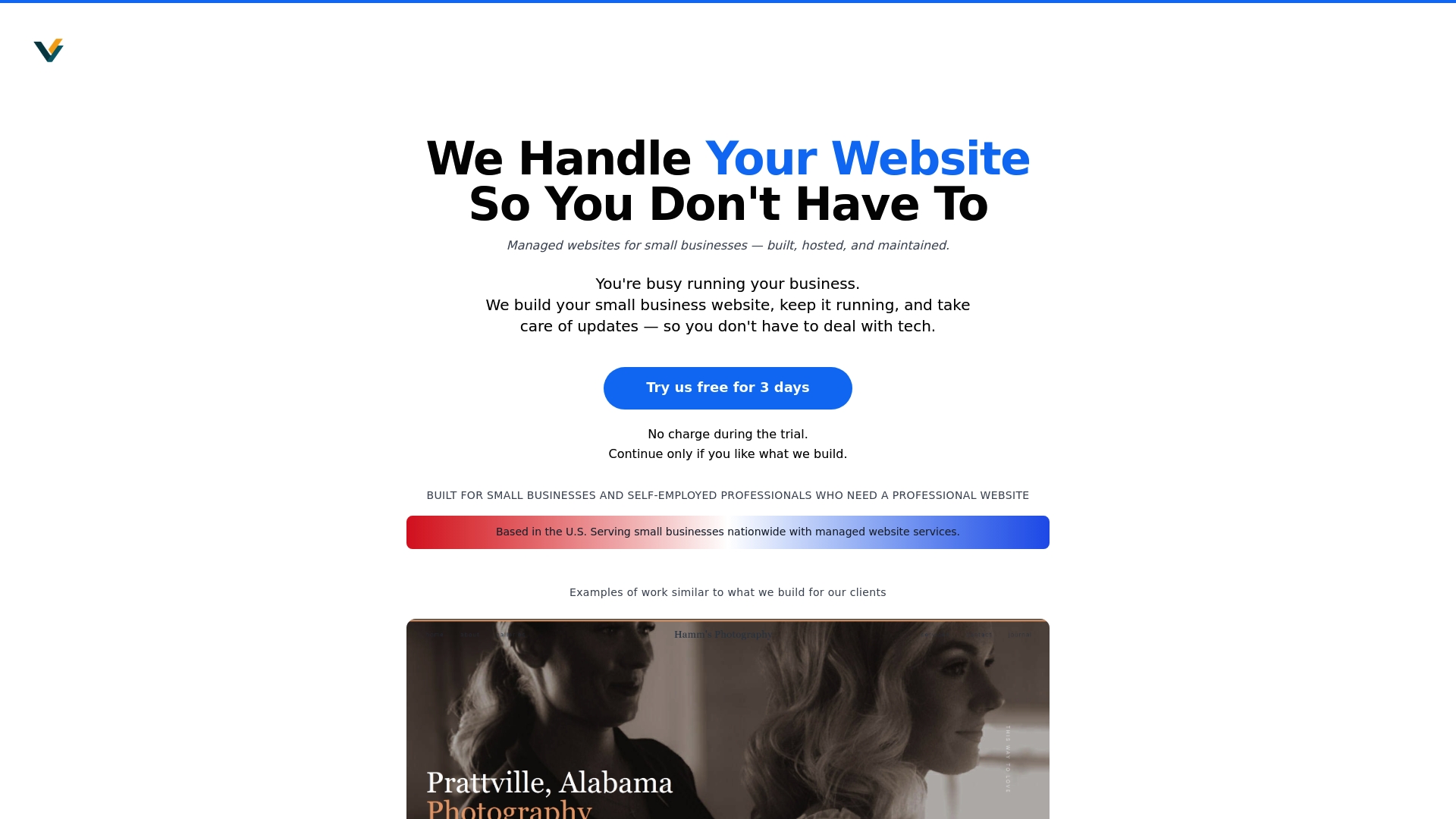
Experience how easy it is to have a fully handled website at Vegas Solutions. From building and hosting to ongoing maintenance and security updates, we provide one clear point of contact and straightforward communication so you never have to worry about your website falling behind. Start with a $69 demo and see how proactive website management can transform your business outcomes. Start now at Vegas Solutions and turn your website into a continuously growing asset that works for you.