
Over half of American small businesses lose customers online because their websites fail to meet user expectations. In a crowded digital space, first impressions matter more than ever, and technical difficulties can push your visitors away before you even get started. If you want website design that works without creating headaches, understanding the facts—and dispelling myths—is your first step toward a smoother, more effective online presence.
Table of Contents
- Website Design Defined and Common Myths
- Key Website Types and Features Explained
- How Good Design Drives Engagement and SEO
- Building Credibility and Brand Trust Online
- Financial Impact and Cost-Saving Benefits
- Common Website Design Mistakes to Avoid
Key Takeaways
| Point | Details |
|---|---|
| Website Design is Multifaceted | It integrates aesthetics, functionality, and user experience, requiring ongoing refinement and optimization. |
| Understanding Website Types is Crucial | Different website types serve varied business goals, making it essential to choose a platform that fits specific needs. |
| Design Significantly Affects Engagement and SEO | A well-structured, user-friendly website enhances both user engagement and search engine visibility. |
| Credibility is Built Through Design | Professional design elements establish trust, influencing potential customers' perceptions of reliability and quality. |
Website Design Defined and Common Myths
Website design represents far more than just a visual presentation. It's a strategic framework that combines aesthetics, functionality, and user experience into a cohesive digital platform. Modern web development insights reveal that effective websites require a careful balance between appearance and practical performance.
Many small business owners hold misconceptions about what makes a successful website. Common myths include believing that a beautiful design automatically guarantees user engagement or that websites are one-time projects that can be launched and forgotten. In reality, effective web design is an ongoing process of refinement and adaptation. Websites need continuous optimization to remain relevant and functional across different devices and user expectations.
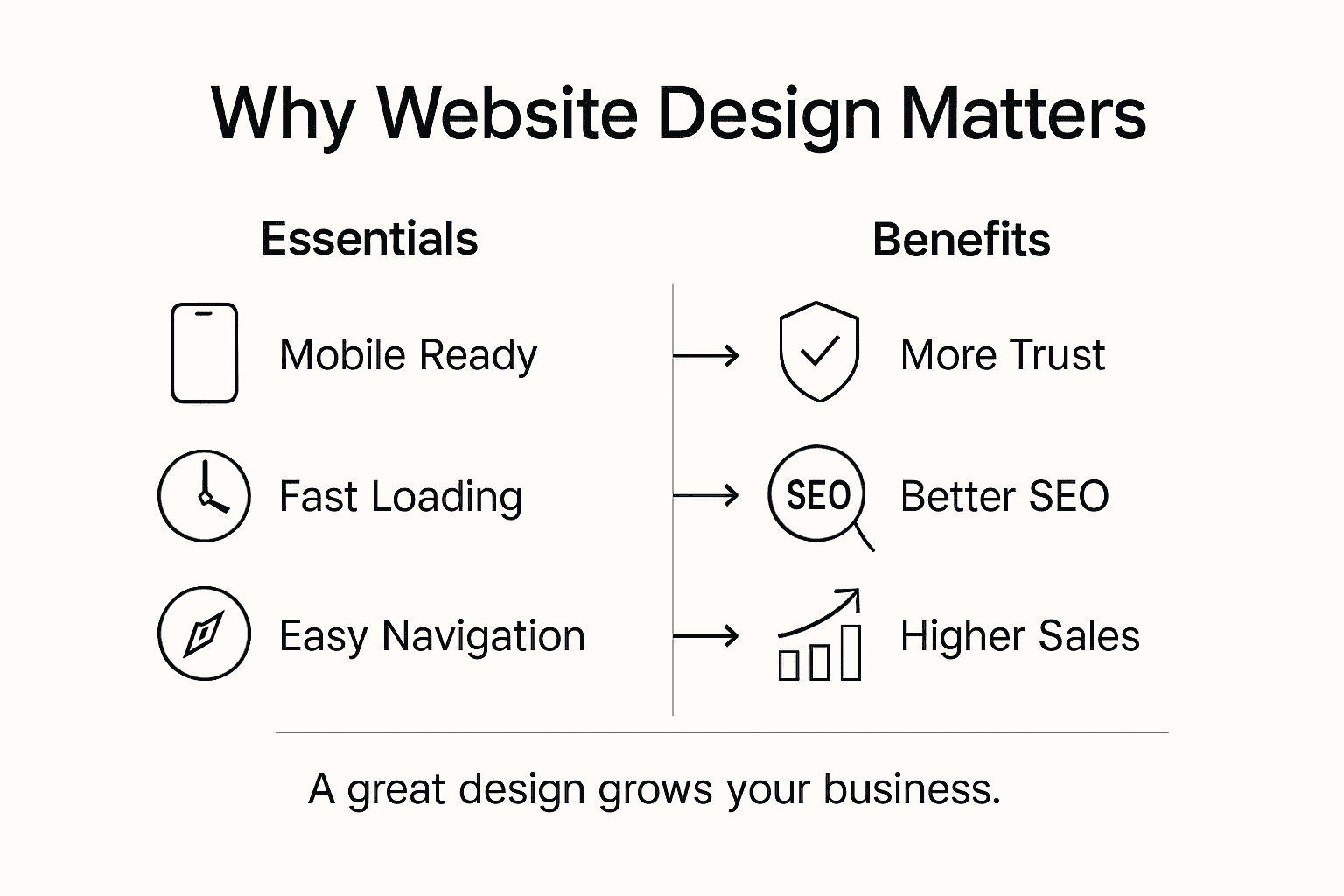
The most critical aspects of website design extend well beyond visual appeal. Key elements include:
- Mobile responsiveness
- Clear navigation structure
- Fast loading speeds
- Intuitive user interface
- Accessibility for all users
Businesses often underestimate the importance of these technical and functional considerations. A visually stunning website means little if users struggle to find information or navigate the site. Performance metrics like page load time, mobile compatibility, and user engagement are crucial indicators of design effectiveness.
Pro tip: Invest in regular website audits to identify and address design and performance gaps, ensuring your digital presence remains competitive and user-friendly.
Key Website Types and Features Explained
Small businesses have diverse website needs that vary depending on their industry, target audience, and primary business objectives. Understanding the primary website types can help entrepreneurs select the most appropriate digital platform for their specific requirements. Vegas Solutions website services offer tailored options for different business models and goals.
The most common website types for small businesses include:
- Informational Websites: Designed to provide comprehensive details about a company, its services, and background
- E-commerce Websites: Enable direct online sales and product transactions
- Portfolio Websites: Showcase professional work and capabilities
- Service Booking Websites: Allow clients to schedule appointments or consultations
- Blog/Content Websites: Share industry insights and establish thought leadership
Each website type requires specific features to effectively serve its purpose. Critical features that transcend website categories include mobile responsiveness, clear navigation, fast loading speeds, and secure contact forms. Small businesses must prioritize user experience, ensuring that potential customers can easily find information and take desired actions.

Here's how website types differ in purpose and business impact:
| Website Type | Business Goal | Key Benefit |
|---|---|---|
| Informational | Brand awareness | Provides business credibility |
| E-commerce | Online sales | Generates revenue directly |
| Portfolio | Showcasing work | Builds professional reputation |
| Service Booking | Schedule appointments | Streamlines client onboarding |
| Blog/Content | Thought leadership | Attracts and educates target market |
The technical infrastructure behind these websites matters as much as their visual design. Businesses need websites that integrate seamlessly with marketing tools, provide analytics insights, and offer scalability for future growth. Modern websites should support search engine optimization, enable social media connections, and provide a smooth, intuitive user journey.
Pro tip: Conduct a thorough audit of your current website against these key features, identifying potential improvements that could enhance user engagement and business performance.
How Good Design Drives Engagement and SEO
Website design plays a critical role in attracting and retaining potential customers while simultaneously improving search engine performance. Recent blog insights demonstrate that user experience directly impacts both visitor engagement and search rankings. A well-designed website acts as a powerful marketing tool that communicates professionalism, builds trust, and guides visitors toward desired actions.
Search engines like Google prioritize websites with exceptional user experience. Key design elements that influence SEO performance include:
- Fast loading speeds
- Mobile responsiveness
- Intuitive navigation
- Clean, readable content structure
- Minimal technical errors
- Strategic use of headings and metadata
User engagement metrics are deeply interconnected with design quality. Websites that feature clear visual hierarchies, appealing color schemes, and logical information architecture can significantly reduce bounce rates and increase time spent on site. Small businesses must recognize that design is not merely about aesthetics but about creating seamless, meaningful interactions that convert casual visitors into potential customers.
Technical design considerations extend beyond visual appeal. Websites must be optimized for various devices, load quickly, and provide accessible, easily digestible content. Search engines reward websites that offer smooth user experiences, using design elements as critical ranking factors. A well-structured website signals credibility, professionalism, and user-centricity to both human visitors and algorithmic search crawlers.
Pro tip: Regularly conduct user experience testing and analyze website performance metrics to identify and address design elements that might be hindering visitor engagement or search engine visibility.
Building Credibility and Brand Trust Online
Online credibility is the cornerstone of digital success for small businesses, serving as the invisible bridge between potential customers and your brand. Professional website design insights reveal that visual presentation dramatically influences how consumers perceive business reliability and trustworthiness. First impressions are formed within seconds, making every design element a critical component of your brand's digital reputation.
Key elements that establish online credibility include:
- Professional, consistent visual branding
- High-quality, original imagery
- Clear and transparent contact information
- Customer testimonials and reviews
- Secure website connections (HTTPS)
- Updated and accurate content
- Mobile-responsive design
Beyond aesthetics, credibility is built through transparent communication and demonstrated expertise. Websites that showcase professional achievements, industry certifications, and clear service descriptions help potential customers understand a business's value proposition. Small businesses must recognize that their online presence is often the first interaction point with potential clients, making design and content quality paramount in building trust.
Technical elements also play a significant role in establishing credibility. Websites with fast loading times, minimal errors, and intuitive navigation signal professionalism and attention to detail. Security features like SSL certificates, privacy policy statements, and clear terms of service further reinforce a sense of reliability and customer commitment.
Pro tip: Conduct periodic website audits to ensure all design elements, content, and technical features consistently communicate professionalism and reliability to potential customers.
Financial Impact and Cost-Saving Benefits
Small business owners often view website design as an expense, but strategic investment can yield significant long-term financial advantages. Website design cost analysis demonstrates that comprehensive planning can transform digital platforms from cost centers into revenue-generating assets. Effective web design isn't just about appearance—it's a critical business strategy that directly impacts bottom-line performance.
Financial benefits of professional website design include:
- Reduced customer acquisition costs
- Increased conversion rates
- Lower marketing expenditures
- Enhanced operational efficiency
- Decreased customer support expenses
- Improved brand perception leading to higher-value transactions
- Scalable infrastructure that grows with business needs
The true economic value of website design extends beyond immediate visual appeal. Small businesses can dramatically reduce long-term expenses by investing in robust, adaptable digital infrastructure. A well-designed website functions like a 24/7 sales representative, handling customer inquiries, showcasing products, and generating leads without additional staffing costs. Strategic design optimization can yield returns that far outweigh initial development investments.
Technical considerations also play a crucial role in financial efficiency. Websites built with clean, modern code require less frequent maintenance, integrate more easily with emerging technologies, and provide better performance metrics. By prioritizing quality design and development, businesses can avoid costly redesigns, minimize technical debt, and create a digital platform that continuously supports growth and adaptation.
Compare the financial benefits of investing in modern website design:
| Financial Advantage | Description | Long-Term Impact |
|---|---|---|
| Reduced acquisition costs | Attracts leads with less advertising | Sustains marketing budget |
| Higher conversion rates | Converts visitors to customers easily | Drives revenue growth |
| Lower maintenance expenses | Needs fewer technical fixes | Prevents costly redesigns |
| Improved brand perception | Enhances trust and professionalism | Enables premium pricing |
Pro tip: Calculate your website's return on investment by tracking conversion rates, lead generation, and customer engagement metrics to demonstrate the tangible financial benefits of strategic web design.
Common Website Design Mistakes to Avoid
Navigating the complex landscape of website design requires strategic awareness and proactive problem prevention. Comprehensive website design research highlights critical errors that can undermine a small business's digital presence and potentially drive away potential customers. Understanding these common pitfalls is the first step toward creating a compelling, effective online platform.
The most prevalent website design mistakes include:
- Cluttered and confusing page layouts
- Inconsistent or unprofessional color schemes
- Non-responsive mobile design
- Slow page loading times
- Unclear or hidden call-to-action buttons
- Overcomplicated navigation menus
- Poor content readability
- Lack of clear brand messaging
- Outdated or low-quality imagery
- Absence of contact information
Technical performance directly impacts user experience and business credibility. Websites that load slowly, feature broken links, or display incorrectly on mobile devices frustrate potential customers and signal unprofessionalism. Small business owners must recognize that their website serves as a digital storefront, requiring the same attention to detail and user experience they would apply to a physical business location.
Design is not just about aesthetics but about creating intuitive, functional digital experiences. Successful websites balance visual appeal with practical functionality, ensuring that users can easily find information, understand the business's value proposition, and take desired actions. This requires ongoing maintenance, regular performance testing, and a willingness to adapt to changing technological standards and user expectations.
Pro tip: Conduct quarterly website audits using free tools like Google PageSpeed Insights to identify and address potential design and performance issues before they impact user experience.
Unlock Your Small Business Potential with Expert Website Design
The article highlights common challenges small businesses face such as maintaining mobile responsiveness, ensuring fast loading speeds, and building credibility through professional design. These pain points often lead to tech headaches and lost opportunities. At Vegas Solutions, we understand that effective website design means more than aesthetics. We handle your website build, hosting, and maintenance using clear language and simple processes so you can focus on what matters most — growing your business without worrying about technical issues.
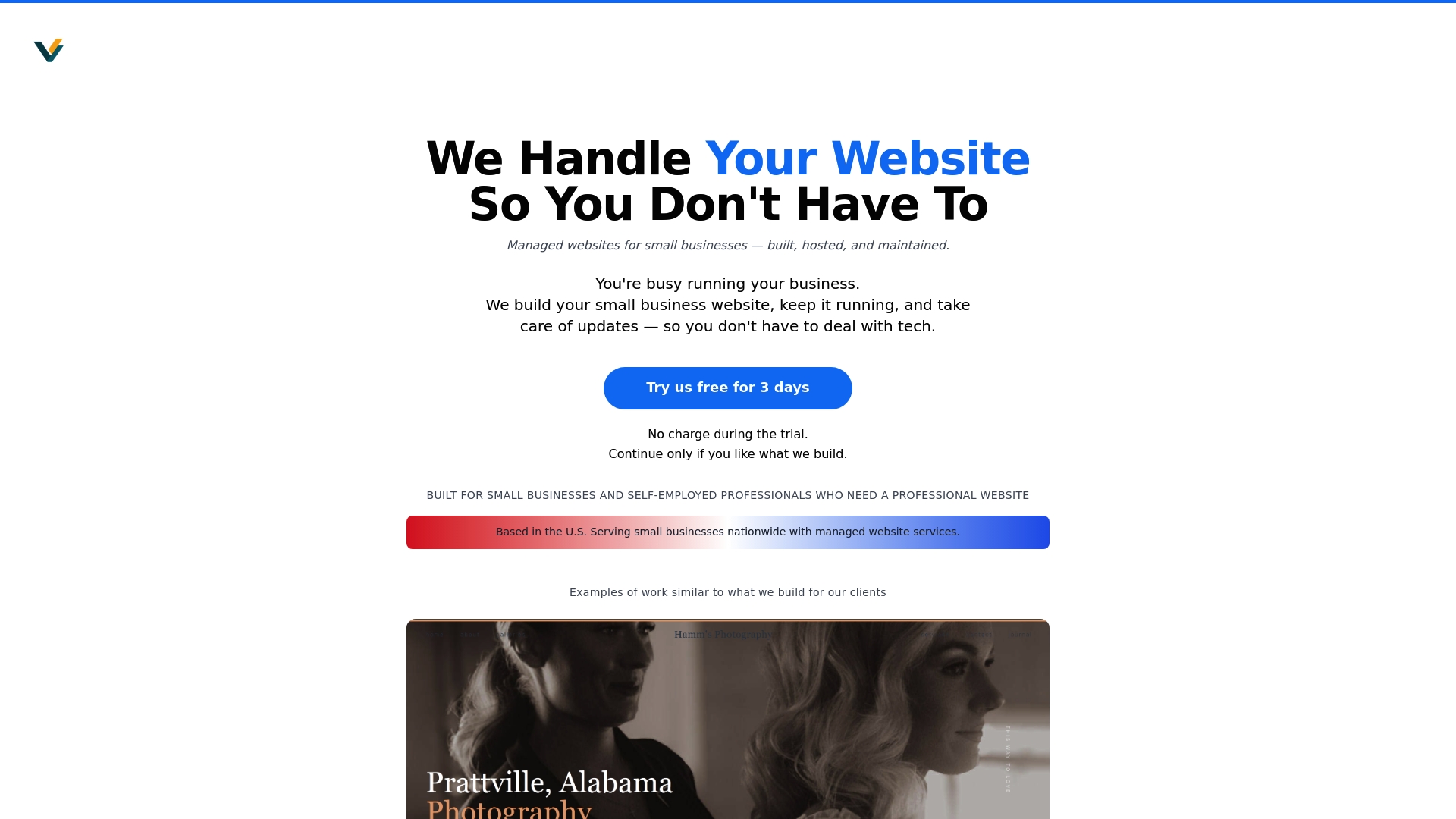
Take the stress out of managing your online presence today with Vegas Solutions. Experience how our tailored approach addresses critical design elements like user experience, SEO readiness, and ongoing support. Start your free 3-day trial now and see why countless small businesses trust us to keep their websites performing and professional. Visit our homepage and discover how easy managing your website can be.